
How Do Wood and Composite Decks Differ?
Adding a deck is one of the most effective ways to expand your outdoor living space and increase your home's functionality. Whether you want a place for family gatherings, entertaining guests, or simply relaxing outdoors, selecting the right decking material is essential. Many homeowners work with a professional deck builder to compare the advantages of wood and composite decking before making a final decision. While both materials create attractive outdoor spaces, they differ in composition, durability, maintenance requirements, cost, and lifespan. Understanding these differences can help you choose the option that best suits your budget, lifestyle, and long-term goals.
Material Composition
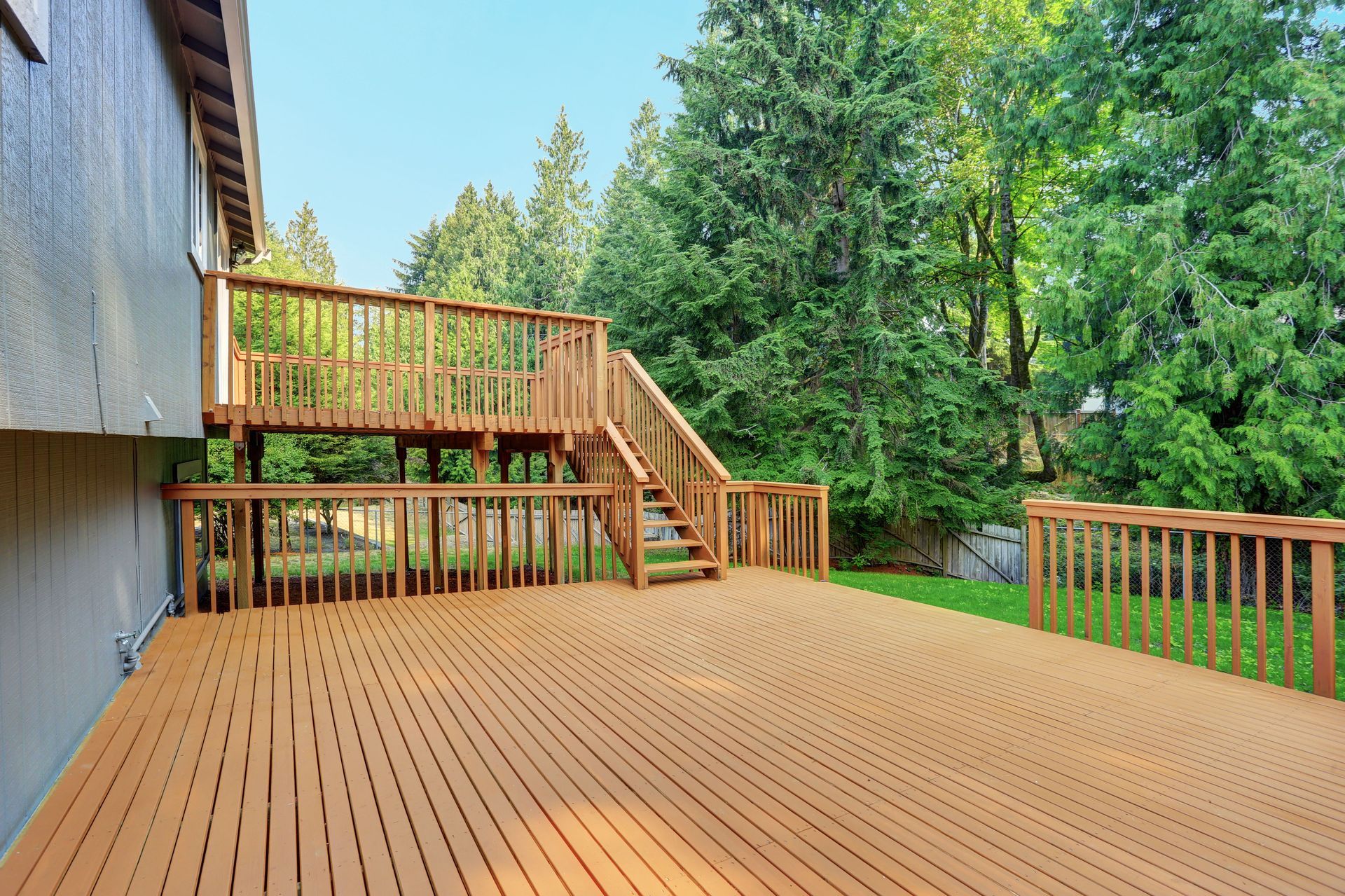
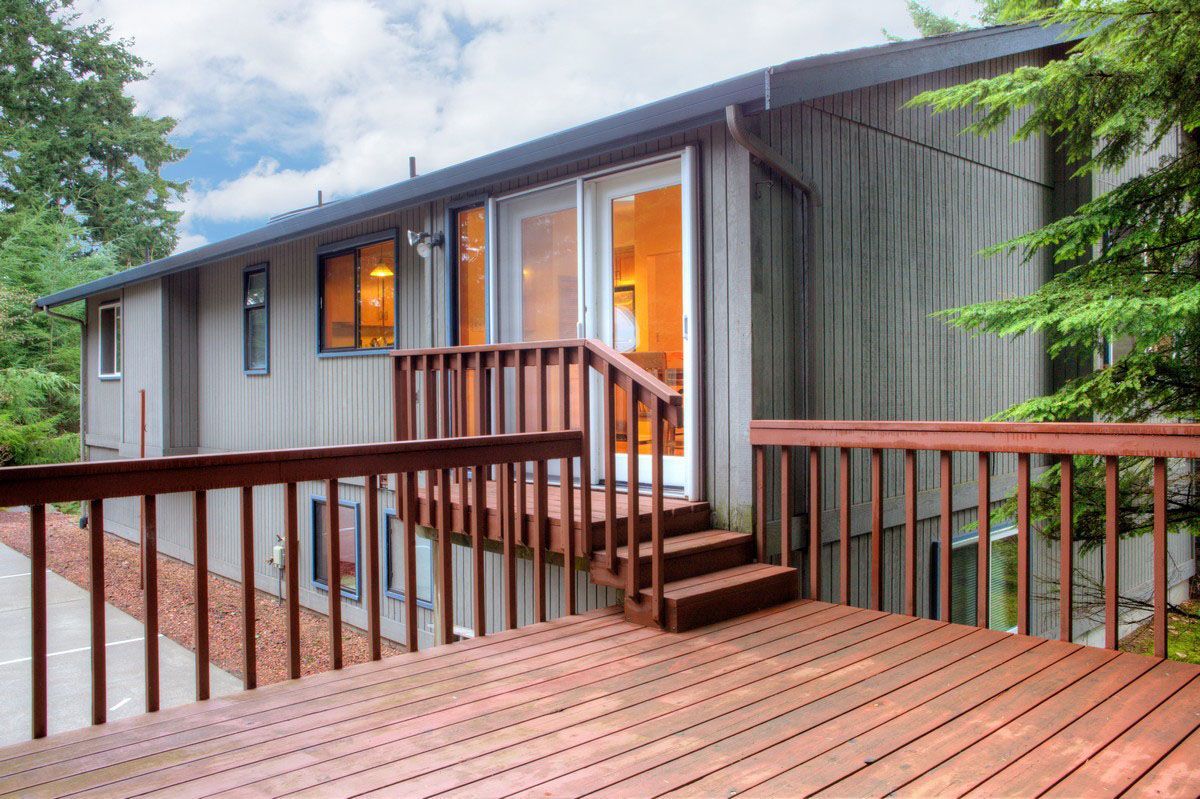
Wood decking has been a popular choice for decades because of its natural appearance and traditional appeal. Common wood options include pressure-treated pine, cedar, and redwood. Each type offers unique characteristics, but all provide the authentic grain patterns and textures many homeowners appreciate. A skilled deck builder can customize wood decks with stains and finishes that complement surrounding landscaping and architectural styles.
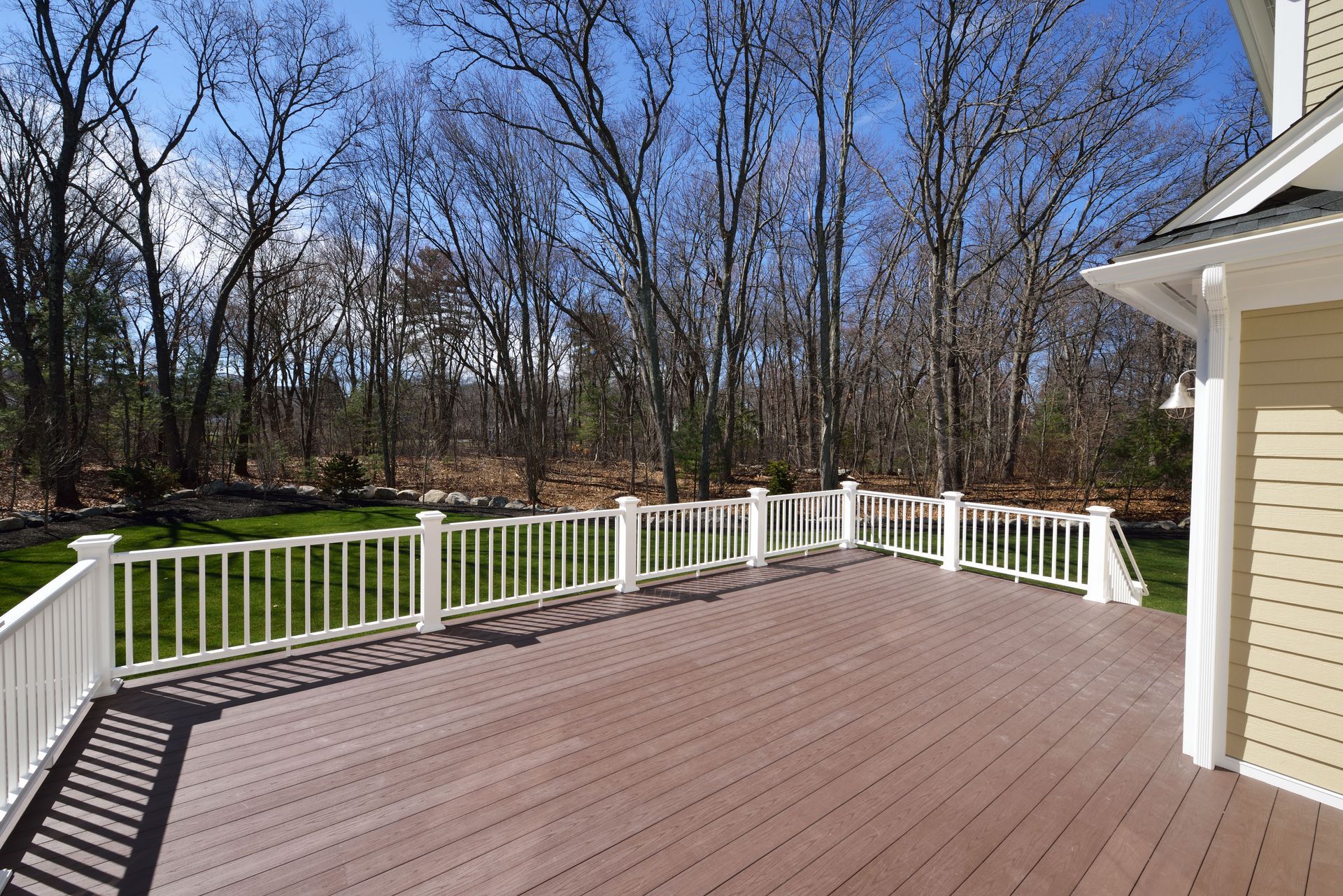
Composite decking is manufactured using a combination of recycled wood fibers and plastic materials. It was developed to address common issues associated with wood, such as rotting, splintering, and insect damage. Composite boards are engineered to maintain a consistent appearance while providing enhanced durability. Many homeowners choose composite materials because they offer the visual appeal of wood without the same level of maintenance.
From an environmental perspective, both materials present advantages and challenges. Responsibly sourced wood can be a renewable resource, while composite decking often incorporates recycled content that helps reduce waste. When evaluating sustainability, homeowners should consider sourcing practices, manufacturing methods, and product lifespan.
Appearance and Design Flexibility
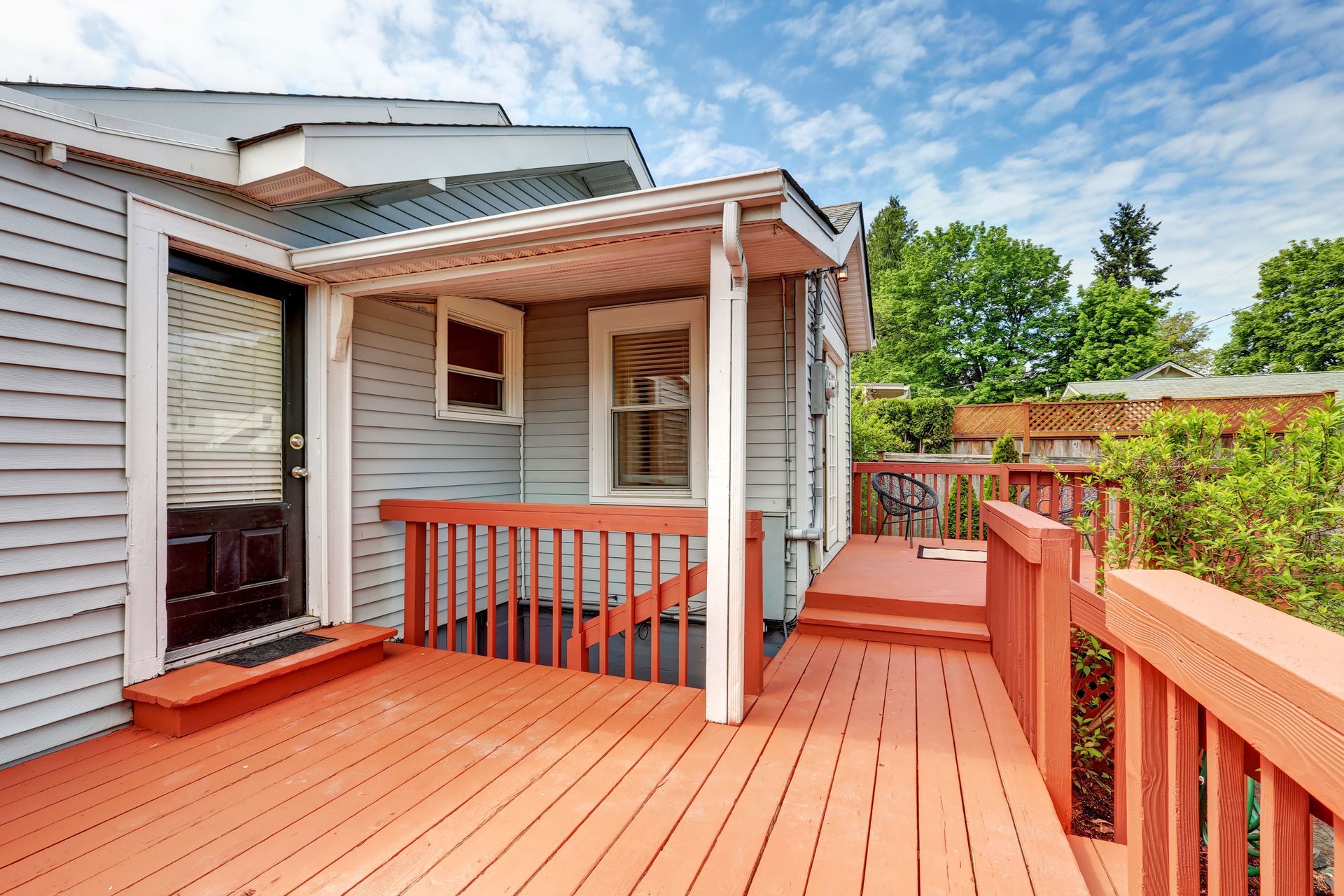
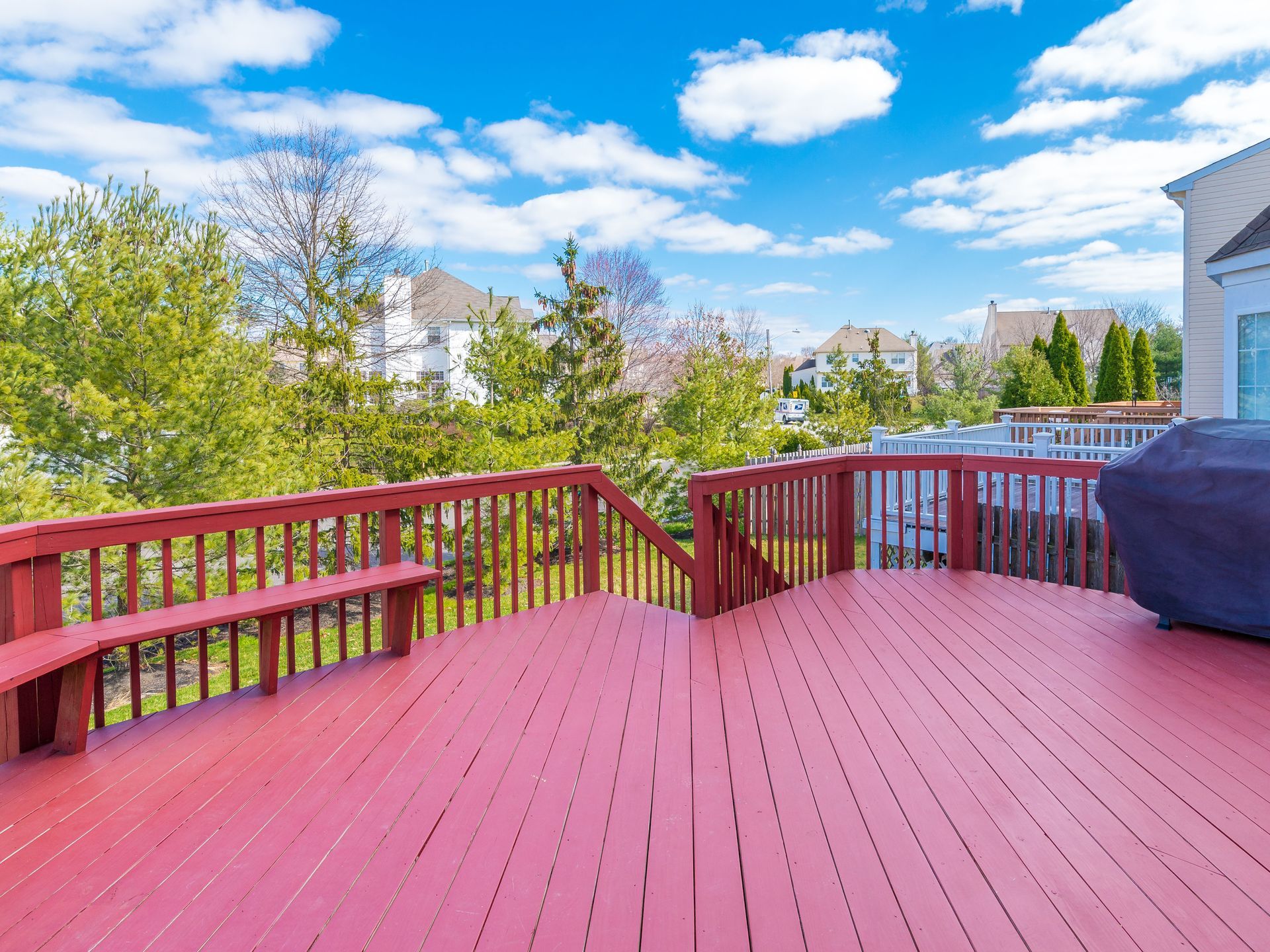
A major reason homeowners choose wood decking is its natural beauty. Every board has unique grain patterns, knots, and color variations that create a distinctive look. Wood can also be stained or painted in numerous colors, allowing for significant customization. Over time, wood develops a weathered appearance that some homeowners find attractive.
Composite decking offers a different aesthetic advantage. Manufacturers produce composite boards in a wide range of colors and textures that replicate the appearance of natural wood. Unlike wood, composite materials maintain a more consistent look over the years because they resist fading, staining, and weather-related discoloration.
Both materials provide design flexibility, allowing homeowners and a deck builder to create custom layouts, patterns, and outdoor living spaces. The decision often comes down to whether you prefer the authentic character of natural wood or the uniform appearance of composite products.
Initial Cost Considerations
Cost is often one of the first factors homeowners evaluate when planning a deck project. In most cases, wood decking requires a lower initial investment than composite materials. Pressure-treated lumber remains one of the most affordable decking options available, making it attractive for budget-conscious homeowners.
Composite decking generally costs more upfront because of its manufacturing process and advanced performance features. However, focusing solely on installation costs may not provide a complete picture of long-term value. A knowledgeable deck builder can help homeowners compare not only the purchase price but also future maintenance expenses and expected lifespan.
Labor costs can also vary depending on the complexity of the design and the material selected. While installation methods differ slightly, both wood and composite decks benefit from professional construction to ensure safety, durability, and long-term performance.
Maintenance Requirements
One of the most significant differences between wood and composite decking involves maintenance. Wood requires regular care to preserve its appearance and structural integrity. Homeowners typically need to clean, stain, and seal wood decks every few years to protect against moisture, sun exposure, and insect activity.
Without proper maintenance, wood may develop cracks, splinters, rot, or discoloration. Regular inspections are necessary to identify and address issues before they become more serious.
Composite decking requires considerably less maintenance. Routine cleaning with soap and water is often sufficient to keep the surface looking attractive. Because composite materials resist moisture, insects, and decay, homeowners avoid many of the upkeep tasks associated with wood.
For busy families or homeowners seeking convenience, the reduced maintenance requirements of composite decking can be a major advantage. Many people work with a deck builder specifically because they want a low-maintenance outdoor living solution that remains attractive for years.
Durability and Lifespan
Durability is another important factor when comparing decking materials. Wood decks can provide many years of service when properly maintained, but they remain vulnerable to weather exposure, moisture, insects, and general wear.
According to HomeGuide, a wooden deck typically lasts 10 to 25 years, while a composite deck can last 25 to 50 years. This significant difference in lifespan often influences long-term purchasing decisions. While wood may offer lower upfront costs, composite materials frequently provide greater longevity and fewer repair needs over time.
Composite decking is specifically engineered to withstand common outdoor challenges. It resists warping, splintering, fading, and insect damage more effectively than traditional wood. These characteristics help maintain structural integrity and appearance throughout its lifespan.
For homeowners planning to stay in their homes for many years, the durability advantages of composite materials may justify the higher initial investment. A professional deck builder can help evaluate which material aligns best with your expected usage and long-term plans.
Return on Investment
Many homeowners view a deck as both a lifestyle improvement and a property investment. Outdoor living spaces often enhance curb appeal and increase overall home value. Wood decks remain attractive to buyers who appreciate traditional aesthetics and natural materials. A well-maintained wood deck can contribute positively to resale value, particularly in markets where natural materials are highly desirable.
Composite decking offers a different type of value proposition. Potential buyers often appreciate the reduced maintenance requirements and longer lifespan associated with composite materials. The promise of fewer future repairs can make composite decks especially appealing to those seeking convenience and long-term reliability.
When evaluating return on investment, homeowners should consider local market preferences, maintenance expectations, and projected ownership timelines. Consulting with an experienced deck builder can provide valuable insights into which material may deliver the greatest value in your area.
Climate and Regional Factors
Geographic location can significantly influence decking performance. In regions with heavy rainfall, humidity, or extreme temperature fluctuations, material durability becomes especially important. Wood may require more frequent maintenance in challenging climates because moisture can accelerate deterioration and increase the risk of rot. Regular sealing helps protect wood, but ongoing care remains necessary.
Composite decking generally performs well in diverse weather conditions. Its resistance to moisture and temperature-related damage makes it a popular choice in areas where environmental exposure is a concern. Homeowners living in harsh climates often consult a deck builder about composite options because of their reputation for reliability and weather resistance. Regional availability and pricing can also affect material selection. In some locations, locally sourced wood may be more affordable, while in others, composite products may offer better long-term value despite higher initial costs.
Choosing the Right Option
Selecting between wood and composite decking ultimately depends on personal priorities. Homeowners who value natural beauty, lower upfront costs, and traditional craftsmanship often gravitate toward wood. Those willing to invest time in maintenance may find wood to be a rewarding choice. Composite decking appeals to homeowners seeking durability, convenience, and long-term performance. Although the initial investment is typically higher, the reduced maintenance and extended lifespan can provide meaningful savings over time.
A qualified deck builder can evaluate your property's conditions, discuss your budget, and recommend materials that align with your goals. Professional guidance helps ensure that your deck delivers both aesthetic appeal and lasting functionality.
Wood and composite decks each offer distinct advantages that make them suitable for different homeowners. Wood provides timeless beauty, natural character, and lower upfront costs, while composite materials deliver exceptional durability, reduced maintenance, and a longer lifespan. By understanding the differences in material composition, appearance, cost, maintenance, and longevity, you can make a confident decision that supports your lifestyle and investment goals.
If you're ready to transform your outdoor living space, contact Thrive Renovation today. Our experienced team can help you select the ideal decking material and provide expert craftsmanship to create a beautiful, long-lasting deck that enhances your home for years to come.


Share On: